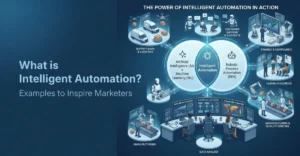


Automated customer service refers to the use of technology to handle customer interactions without human intervention. This can include anything from chatbots answering queries on a website to automated phone systems that guide customers through a series of options to resolve their issues. As these technologies advance, they are continuously improving in their ability to understand and respond to customer needs, making them indispensable to modern businesses.
What Is Automated Customer Service?
At its core, automated customer service is about using technology to streamline interactions and provide consistent, reliable service. By automating routine tasks, businesses can focus more on complex customer needs and improve overall service quality. Automation technologies leverage artificial intelligence and machine learning to predict and respond to customer inquiries, enabling businesses to meet customer expectations with precision and speed.
An example of automated services is when a chatbot on an e-commerce site helps a customer track their order, answer product questions, or even process returns. These automated interactions are becoming increasingly sophisticated, thanks to advances in artificial intelligence (AI) and machine learning. This sophistication allows for a more natural interaction, where the systems can understand context and provide personalized assistance, enhancing the customer experience.
The Advantages of Automated Customer Service
There are several compelling reasons why businesses are turning to automated customer service solutions. These advantages not only benefit the companies implementing them but also significantly enhance the customer experience, creating a win-win situation for both parties.
Increased Efficiency
One of the most significant benefits is increased efficiency. Automated systems can handle a large volume of interactions simultaneously, reducing wait times and providing quick resolutions to common issues. This efficiency translates into better customer satisfaction and can significantly lower operational costs. By automating repetitive tasks, businesses can allocate their human resources to more strategic roles that require empathy and critical thinking.
Moreover, automation allows businesses to manage customer interactions across multiple time zones without any additional staffing costs. This ability to operate efficiently at scale is essential for businesses looking to expand their customer base and maintain high service standards globally.
Consistency and Reliability
Automated customer service ensures that every customer receives the same level of service. There’s no variability in responses, which can happen with human agents. This consistency is crucial for maintaining a strong brand reputation and ensuring customer trust. Customers can rely on receiving accurate information and prompt service each time they interact with automated systems.
Furthermore, automation minimizes human error, which can occur due to fatigue or misinformation. By providing reliable and consistent responses, automated systems help in building a dependable brand image, fostering long-term customer loyalty.
24/7 Availability
With automated systems, businesses can offer round-the-clock service. Customers can get help at any time of the day or night, which is particularly beneficial for companies with a global customer base. This 24/7 availability is a significant advantage over traditional customer service models, which are often limited to specific hours of operation.
This constant availability not only enhances customer satisfaction but also provides businesses with a competitive edge. Companies that offer continuous service are more likely to attract and retain customers who expect immediate assistance, regardless of the time or their location.
Cost Savings
By reducing the need for a large customer service team, businesses can save on labor costs. Automation allows companies to allocate resources more efficiently, focusing on areas that require human expertise. This strategic allocation of resources can lead to significant cost savings while maintaining or even improving service quality.
Additionally, the initial investment in automation technology can lead to substantial long-term savings. As automated systems become more advanced, they require less maintenance and fewer updates, further reducing operational costs over time.
How Automation Is Reshaping Customer Interactions

The integration of automation into customer service is not just about efficiency; it’s also about reshaping the entire customer experience. Automation is transforming the way customers interact with businesses, making these interactions more seamless and engaging.
Personalization at Scale
With the help of AI and data analytics, automated systems can provide personalized experiences for each customer. By analyzing past interactions and purchase history, automated tools can tailor responses and offer relevant recommendations, enhancing the overall customer journey. This level of personalization was once only possible with human interaction but is now achievable at scale with automation.
Moreover, personalization fosters a deeper connection between the customer and the brand. When customers feel understood and valued, their satisfaction and loyalty increase, leading to higher retention rates and more positive word-of-mouth marketing.
Seamless Integration with Human Agents
Automation doesn’t mean the end of human customer service agents. Instead, it allows them to focus on more complex tasks. Automated systems can handle routine inquiries, while human agents can step in for more nuanced issues. This seamless integration ensures that customers always receive the best possible service, combining the efficiency of automation with the empathy of human interaction.
This collaboration between humans and machines also empowers customer service agents, providing them with the tools and information they need to resolve issues more effectively. As a result, agents can deliver higher-quality service, enhancing the overall customer experience.
Data-Driven Insights
Automated customer service solutions provide valuable data that can help businesses understand customer needs and preferences better. This data can inform product development, marketing strategies, and customer service improvements, leading to a more customer-centric approach. By leveraging this information, companies can make informed decisions that align with customer expectations and market trends.
The insights gained from automation can also identify areas for improvement in the customer journey. By continuously analyzing customer interactions, businesses can optimize their processes and offerings, ensuring they remain competitive in a rapidly changing market.
Examples of Automated Customer Service Solutions

Let’s look at some practical examples of how businesses are leveraging automated customer service solutions. These examples illustrate the versatility and effectiveness of automation in various customer service scenarios.
Chatbots
Chatbots are perhaps the most common example of customer service automation. These AI-powered tools can handle a wide range of customer inquiries, from answering FAQs to providing detailed product information. They are available on various platforms, including websites, social media, and messaging apps. Chatbots are designed to simulate human conversation, making interactions feel natural and intuitive for users.
Furthermore, chatbots can be customized to reflect the brand’s personality and tone, ensuring a consistent brand experience across all customer interactions. As technology evolves, chatbots are becoming more adept at understanding complex queries and providing accurate, context-aware responses.
Automated Phone Systems
Automated phone systems use interactive voice response (IVR) technology to guide customers through a series of options to resolve their issues. These systems can handle billing inquiries, technical support, and more, often without the need for human intervention. IVR systems are especially beneficial for high-volume call centers, where they can efficiently manage call traffic and reduce wait times.
In addition, these systems can be programmed to recognize customer intent and direct calls to the appropriate department or agent when necessary. This capability ensures that customers receive timely and relevant assistance, improving their overall experience.
Email Automation
Email automation tools can manage customer inquiries, send personalized responses, and even follow up on unresolved issues. This not only improves efficiency but also ensures that no customer query goes unanswered. Automated emails can be tailored to individual customers, providing relevant information and offers that align with their interests and past interactions.
Moreover, email automation allows businesses to maintain consistent communication with their customers, nurturing relationships and building trust over time. By automating routine email tasks, companies can focus on crafting more strategic and impactful communications.
Customer Support Automation Tools
There are numerous software solutions available that help businesses automate their customer support processes. These tools can integrate with existing systems, providing a seamless experience for both customers and support teams. By automating ticket management, response tracking, and resolution workflows, businesses can enhance their service efficiency and effectiveness.
These automation tools also offer analytics and reporting features, enabling companies to monitor performance metrics and identify areas for improvement. With these insights, businesses can refine their support strategies and continually enhance the customer experience.
The Future of Automated Customer Service
As technology continues to advance, the future of automated customer service looks promising. Here are some trends to watch out for as these solutions evolve and become even more integral to customer service strategies.
AI and Machine Learning
AI and machine learning are set to play an even more significant role in customer service automation. These technologies will enable systems to learn from interactions, improving responses and providing even more personalized experiences. As AI algorithms become more sophisticated, they will be able to anticipate customer needs and proactively offer solutions.
Machine learning models will also facilitate more accurate sentiment analysis, enabling businesses to gauge customer emotions and tailor their responses accordingly. This capability will enhance the quality of interactions and foster stronger customer relationships.
Voice Assistants
Voice-activated assistants like Amazon’s Alexa and Google Assistant are becoming more common in customer service. These tools allow customers to interact with businesses using natural language, providing a more intuitive and convenient experience. As voice recognition technology improves, these assistants will become even more adept at understanding and responding to customer queries.
The integration of voice assistants into customer service also opens up new avenues for accessibility, making it easier for individuals with disabilities to interact with businesses. This inclusivity will be a key factor in the widespread adoption of voice-enabled customer service solutions.
Omnichannel Integration
The future of customer service automation lies in omnichannel integration, where customers can seamlessly switch between different channels (e.g., chat, email, phone) without losing context. This integrated approach ensures a consistent experience across all touchpoints, allowing businesses to meet customers wherever they are.
Omnichannel strategies will also enable businesses to gather comprehensive customer data from various sources, providing a holistic view of the customer journey. With this information, companies can deliver more cohesive and personalized experiences, enhancing customer satisfaction and loyalty.
Conclusion
The future of automated customer service solutions is bright, with technology offering exciting possibilities for enhancing customer interactions. By embracing automation, businesses can improve efficiency, reduce costs, and provide a better overall experience for their customers. As we move forward, the challenge will be to balance automation with the human touch, ensuring that customers receive the best of both worlds.

Mohit Thakur is an experienced Digital Marketing Expert, SEO Team Leader, and Content Writer with over 6 years of expertise in search engine optimization, content strategy, and digital growth. He specializes in research-driven SEO and crafting high-quality, compelling content that helps businesses improve their online visibility, organic traffic, and lead generation.
With hands-on experience across multiple industries, Mohit focuses on creating user-focused, well-researched content aligned with the latest Google algorithms and AI search trends. His approach combines technical SEO, content writing, content optimization, and data analysis to deliver consistent and measurable results.